
The 14-day follow-up plan for immigration leads
 By Victor van Hoorn PerezUpdated
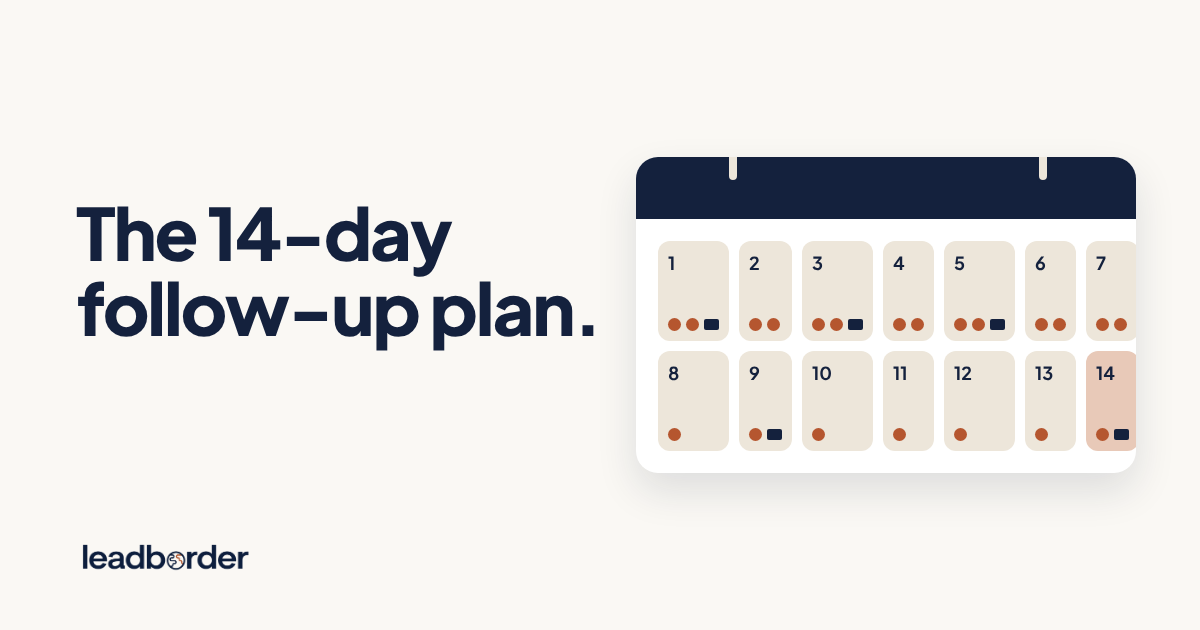
Most firms don't lose leads because the leads are bad. They lose them in the first two weeks, because they stop too early.
A lead from an ad is warm. The person asked to be contacted. But they don't know your firm yet, and unlike a referral, nobody has vouched for you. The trust has to be built from the first contact, and that takes more than one call.
This is the plan I give firms. It is a guide, not a script. Adjust it to your team and your cases.
Why do immigration leads need two weeks of follow-up?
Because people are busy, and immigration is a big decision.
The person who filled in your form is at work, with family, or in another time zone. They may miss your first three calls without meaning anything by it. Many will answer only after several attempts.
Two weeks gives you enough tries to reach almost everyone who wants to be reached. It also gives the person time to see that your firm is serious and reliable, which is the first thing they are judging.
What should happen in the first minutes?
Call. The person filled in the form because they are thinking about their case right now. That moment passes quickly.
Before you dial, check where they are. If it is late at night in their time zone, send a short text instead and call first thing in their morning.
If they answer, keep the first call simple:
- Introduce yourself in 30 seconds and mention the form they filled in.
- Ask an open question about their situation, then listen.
- End with a concrete next step: a consult with a date and a time.
Don't pitch your firm on this call. They will judge you on how well you listened.
If they don't answer, send a short text right away: who you are, why you are calling, and that you will try again later.
Days 1 to 7: two calls a day
Call twice a day, at different times. Try the morning one day and the late afternoon the next. People have patterns, and you are looking for theirs.
Leave a voicemail once or twice in the first days, not on every call. Keep it short: your name, your firm, why you are calling and a way to reach you.
Write down every attempt. When a colleague picks up the lead, they should see at a glance what has been tried.
Days 8 to 14: one call a day
In the second week, call once a day. By now the person has seen your name several times. Some will answer. Others will reply to an email or a text instead.
Keep the tone the same: helpful, short, never pushy. You are making it easy for them to talk to you when they are ready.
What should the five emails say?
Send an email on days 1, 3, 5, 9 and 14. Each one has a different job. Keep every email short enough to read on a phone.
Day 1: first contact. Who you are, that you received their request about their type of case, and a link to book a call at a time that suits them.
Day 3: credibility. One specific thing that trips people up in cases like theirs, for example underestimating how long the documents take to gather. Show that you know the process from the inside.
Day 5: real urgency. Processing times vary, and people who wait often wish they had started earlier. No pressure tactics, only an honest reason not to leave it too long.
Day 9: how it works. Three simple steps: the consult, the document checklist, and the submission and follow-through. Make your process feel easy to start.
Day 14: a clean close. Ask them to reply with a number:
- Still interested
- Not now, but later
- I've decided not to go ahead
If there is no reply, close the lead in your plan and move it to a slower rhythm. The number reply works because it takes five seconds and removes the awkwardness of saying no.
What should you never do in follow-up?
These are the mistakes I see most:
- Waiting hours before the first contact. By then, the moment has passed.
- Email only, no calls. An email is easy to ignore. A friendly voice is not.
- Talking too much on the first call. The person wants to be heard first.
- No concrete next step. "Let us know" usually means you never hear back.
- Giving up after one or two attempts. That is not follow-up. It is a missed lead.
What happens after day 14?
The plan ends, but the relationship doesn't.
People who answered "not now" or never replied go into a slower rhythm: a short, useful message every few weeks, and a call when their date gets close. Many immigration clients take months to decide. When they are ready, you want to be the firm they already know.
People who answered "no" get a polite thank-you and nothing more. Respecting a no is part of why the others will trust you.
Frequently asked questions
Isn't two calls a day too much?
Not when the calls are short and spread across the day. The person asked to be contacted. Calling at different times simply gives you a better chance of reaching them when they can talk. Stop as soon as they tell you when it suits them.
Who should make these calls?
Whoever can call fast and keep going for two weeks. That is often an assistant or intake person, not the lawyer. The lawyer's time is best spent on the consult.
What if the lead says 'not now'?
Ask when would be a better time, write it down, and agree on when you will get in touch again. Then move them out of the 14-day plan and into a slower rhythm.
Can this plan be automated?
The emails and texts can be. The calls should stay human. Automate the reminders for your team so no lead is forgotten, and keep the conversations personal.
Read next
Want more immigration clients?
A few quick questions about your firm. It takes less than a minute, and we’ll get back to you personally.
Talk to usWritten by
Victor van Hoorn Perez
Victor runs Leadborder, which generates qualified immigration leads for law firms through its own immigration brands.