
Referrals or buying leads: what an immigration firm needs to grow
 By Victor van Hoorn PerezUpdated
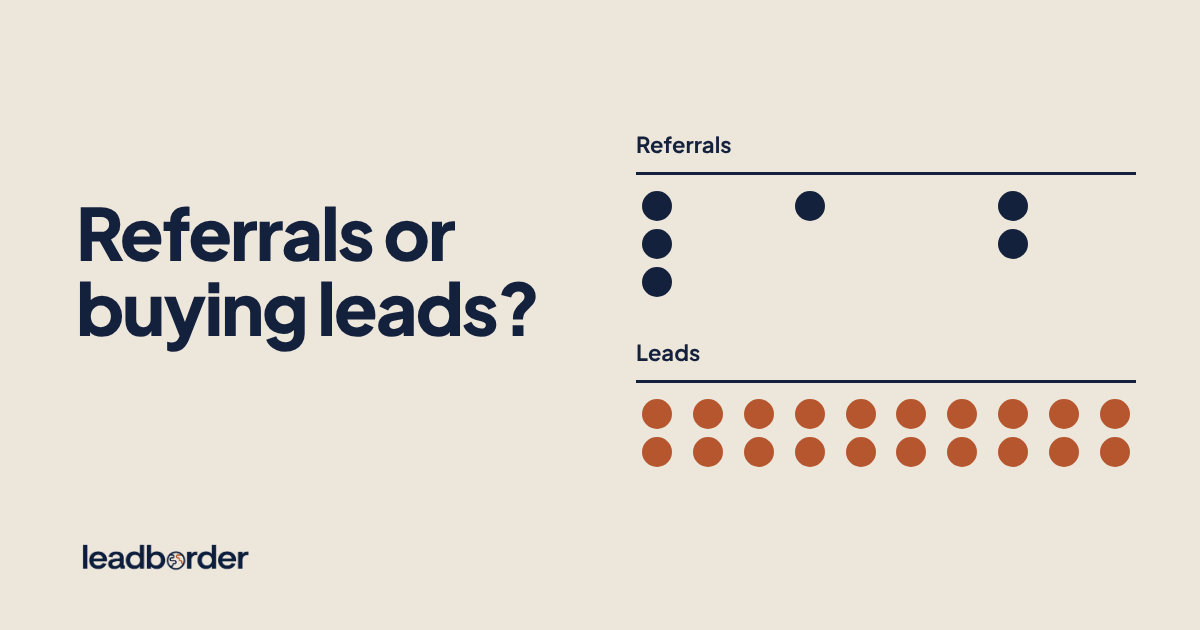
I talk to immigration firms every day. Most of them still get the majority of their new clients from referrals.
That makes sense. A referral usually costs nothing, and the person already trusts you before the first call. But a practice that relies only on referrals can't decide when it grows.
Why is it hard to look beyond referrals?
Because firms compare every new lead to a referral. That is a high bar.
When I talk to firms about leads, the first worry is almost always quality. I understand why. A referral arrives warm and already convinced. A lead from an ad does not, even a good one. Judged against a referral, every lead looks weak at first.
The fix is not to expect leads to behave like referrals. It is to handle them differently from the first call.
Why are referrals so good?
A referral comes with trust built in. A friend or a past client told them you did a good job. They often arrive in the worry stage, ready for a consult, with a short list of one: you.
You also skip most of the selling. You don't have to explain why your firm is different. Someone they trust already did that for you.
Why can't a firm grow on referrals alone?
Because you don't control them. Three things decide how many you get, and none of them is in your hands.
First, timing. A friend starts their process when it suits them, not when you have room for more cases. You can have three referrals in one week and none for two months.
Second, volume. Referrals grow with the number of happy past clients you have. That makes them slow to build and hard to speed up.
Third, distance. In immigration, the friends and family of your clients often live in other countries. They start their own process on their own schedule, and many never think of your firm when they do.
So referrals are a great base. They are a weak plan for growth.
What changes when a client comes from a lead instead of a friend?
The trust has to be built from the first contact.
A good lead is warm. The person asked to be contacted and answered questions about their case. But they have never heard of your firm. To them, you are one name among the options they are weighing.
That changes how you handle the first days:
- Call fast. The person filled in the form because they are worried about their case now.
- Listen first. Ask about their situation before you talk about the firm.
- End with a next step. A consult with a date and a time, not "let us know".
Referral habits don't work well here. A referral will wait a day for your call. A lead often won't.
Will buying leads take away from your referrals?
No. They are different people from different places. Your referrals come from your past clients. Bought leads come from people who searched or saw an ad and asked for help.
The two add up. And every lead you sign today is a client who can refer a friend next year.
Why do so many firms try ads and give up?
Because the hard part of reaching new people is timing. Many firms that advertise online reach people who are only starting to explore. Those people want free information, and they are nowhere near a decision.
Take someone thinking about starting an immigration process. For months they watch videos and read forum threads about it. If a firm's ad reaches them then, they will happily take a free consult and then disappear. Six months later they have a date and want someone to handle it for them. That is when they are ready to hire a lawyer.
A firm that only met them in month one decides that ads don't work. The ad worked. It just reached them too early.
When does it make sense to add bought leads?
When you want to choose when your firm grows. Leads are the part of your pipeline you can plan. You decide when to start and how many you take on.
It makes sense if:
- You have room for more cases this month.
- Someone at the firm can call new leads back within minutes, not days.
- You follow up for weeks, not days, with calls, messages and email.
- You track which clients sign, so you can see what each source brings.
It does not make sense if your calendar is full or callbacks take days. Then the leads go cold, and the money goes with them.
How do the two work together?
Think of referrals as the base and leads as the part you can turn up when you have room.
Keep doing what brings referrals: good work, clear updates, a short thank-you when a case closes. Then add a lead source for the months when the base is not enough. That way a quiet referral month doesn't mean a quiet month for the firm.
Frequently asked questions
Are referral clients better than clients from leads?
They start with more trust, because a friend already vouched for you. A lead from an ad starts with less, so your firm has to build that trust on the first call. Once a person signs, they are a client like any other.
Will buying leads hurt my referrals?
No. They are different people. A lead comes from someone who searched or saw an ad, not from your past clients. And every lead you sign becomes a client who can refer friends later.
What makes a lead from an ad warm and not cold?
The person asked to be contacted and answered questions about their case. A good lead source also checks that the contact details are real. What they don't have yet is a reason to trust your firm.
When should a firm not buy leads?
When the calendar is already full, or when nobody can call new leads back quickly. In those cases, fix capacity first.
Read next
Want more immigration clients?
A few quick questions about your firm. It takes less than a minute, and we’ll get back to you personally.
Talk to usWritten by
Victor van Hoorn Perez
Victor runs Leadborder, which generates qualified immigration leads for law firms through its own immigration brands.